



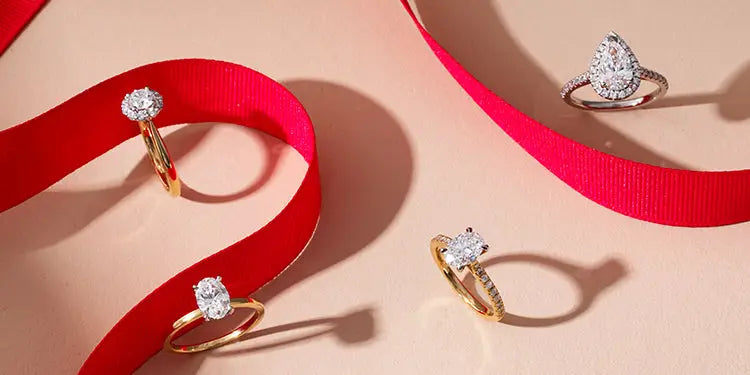
Choosing the Perfect Setting for Lab Diamonds
When selecting the perfect ring, the metal is just as important as the stone. For those opting for lab diamonds, choosing between platinum and gold can shape not only the look of the piece but also its durability and cost. While lab diamonds offer an ethical and stunning alternative to mined stones, the setting plays a huge role in enhancing their brilliance and beauty. So, lab diamond rings platinum vs gold?
The Appeal of Lab Diamonds in Modern Jewelry
Before diving into the metal debate, it’s worth understanding why lab diamonds have become such a top choice. Chemically, physically, and visually identical to mined diamonds, lab diamonds are created in controlled environments and come without the ethical and environmental concerns of traditional mining. As they gain popularity, buyers are now pairing lab diamonds with both platinum and gold to create timeless, personalized jewelry pieces.
Platinum: The Ultimate Luxury for Lab Diamond Rings
Platinum is a rare, naturally white metal known for its durability and timeless luster. For lab diamonds, platinum is often considered the premium choice because it enhances the brilliance of the stone without reflecting color. This makes it ideal for colorless or near-colorless lab diamonds, allowing them to sparkle with maximum brilliance. Additionally, platinum’s density ensures a secure setting, keeping your lab diamond safe for decades to come.
Gold: A Versatile and Warm Alternative for Lab Diamonds
Gold remains a classic favorite and is available in several colors—yellow, white, and rose. Each brings a unique style to lab diamond rings. Yellow gold offers a warm, traditional look, while white gold mimics the brightness of platinum but at a more affordable price. Rose gold, with its romantic pink hue, is a trendy and distinctive option. All three variations of gold can beautifully complement lab diamonds, depending on your style and skin tone.
Durability and Maintenance: Platinum vs Gold
One of the main differences between platinum and gold lies in their durability and maintenance. Platinum is stronger and more resistant to wear, which makes it a great long-term setting for lab diamonds. However, it can develop a patina over time—a subtle, matte finish that some love but others prefer to polish away. Gold, while durable, is softer than platinum and more prone to scratching, especially in higher karat forms. When choosing gold for your lab diamond ring, 14k or 18k gold offers a good balance of strength and shine.
Aesthetic Appeal: Which Enhances Lab Diamonds More?
When it comes to aesthetics, both metals offer unique benefits. Platinum’s naturally white color beautifully enhances the icy brilliance of lab diamonds, making them appear even more radiant. White gold offers a similar effect, though it often requires rhodium plating to maintain its brightness. On the other hand, yellow or rose gold can offer a stunning contrast, adding warmth and character to the cool sparkle of lab diamonds. Your choice ultimately depends on whether you prefer a modern, sleek look or something warmer and more vintage-inspired.
Budget Considerations: Which Offers Better Value with Lab Diamonds?
If you’re working within a budget, gold tends to be more affordable than platinum. While lab diamonds already offer significant savings compared to mined diamonds, pairing them with gold can reduce costs even further. Platinum is more expensive due to its rarity and weight, but many see it as an investment for its longevity. When buying a lab diamond ring, balancing metal costs with the size and quality of your stone is key to staying within budget while achieving the look you love.
Hypoallergenic Properties: Safe Choices for Sensitive Skin
One of platinum’s strongest selling points is its hypoallergenic nature. For those with sensitive skin, platinum paired with lab diamonds is an excellent option. While many gold alloys (especially white gold) contain nickel, which can irritate skin, platinum is 95–98% pure and safe to wear every day. That said, 18k gold, which contains more gold and less alloy, is usually better tolerated for those choosing a gold setting for their lab diamond ring.
Sustainability and Ethical Considerations
Both platinum and gold can be sourced responsibly, especially when recycled metals are used. Pairing recycled platinum or gold with lab diamonds ensures your ring is both beautiful and ethical. However, platinum mining is more energy-intensive than gold, which may sway eco-conscious buyers toward recycled gold when shopping for sustainable lab diamond jewelry. Choosing conflict-free metals and lab-created stones is a powerful way to make a meaningful purchase.
Final Verdict: Platinum or Gold for Lab Diamond Rings?
There’s no one-size-fits-all answer when choosing between platinum and gold for lab diamond rings. Platinum offers superior durability, a clean white sheen, and hypoallergenic qualities, making it perfect for those seeking low maintenance and timeless style. Gold provides versatility, warmth, and affordability, allowing for greater customization and personal flair. Whatever metal you choose, lab diamonds will shine brilliantly—offering elegance, ethics, and enduring beauty.
More Stories
Lab Grown Diamonds Cuts: How to Choose the Perfect Shape for Your Ring
Pavé Diamonds: The Elegant Detail That Makes Every Ring Shine
Lab Grown Diamonds Barcelona Buyer’s Guide